
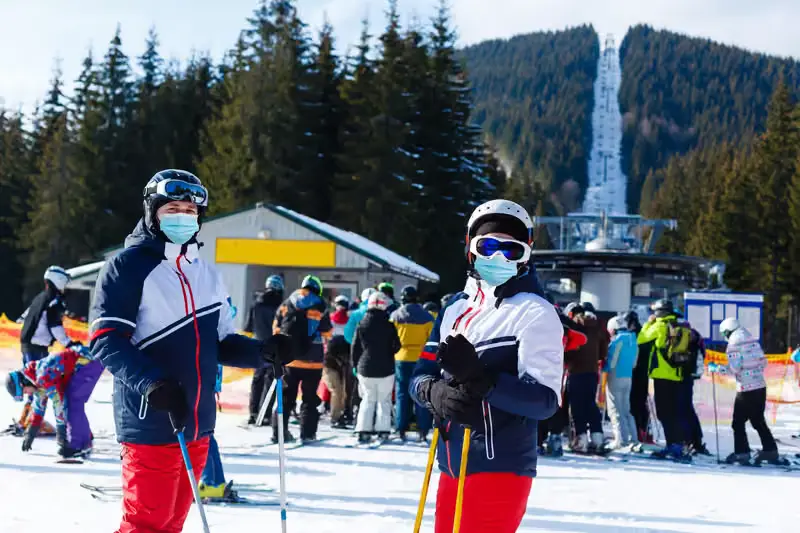
The 2026 games winter sports calendar brought together athletes from around the world for one of the biggest international sporting celebrations. The Milano Cortina Winter Olympics took place from February 6 to February 22, 2026, with competitions spread across several locations in northern Italy. Athletes competed in disciplines ranging from alpine skiing and snowboarding to figure skating, curling, speed skating, and ice hockey. Each event offered a different test of skill, preparation, and competitive discipline. Ice hockey attracted particular attention because of its international rivalries, fast pace, and unpredictable results. The men’s and women’s tournaments brought together established hockey nations and ambitious challengers. Their results also demonstrated how tactical preparation, team depth, and performance under pressure can influence a short tournament. Looking back at the 2026 winter competitions provides useful insight into the changing landscape of international sport. It also helps fans understand the tournament structures, key performances, and developments that shaped the Games.
The Major Winter Sports Events and Their International Appeal
The Winter Olympics cover a wide range of sports that demand different physical and technical abilities. Snow-based events include alpine skiing, cross-country skiing, ski jumping, freestyle skiing, and snowboarding. Ice-based competitions include figure skating, speed skating, short-track speed skating, curling, and ice hockey. Each discipline attracts a different audience, but together they create a diverse international sporting program. Some events reward speed and explosive power. Others depend on balance, precision, endurance, or tactical cooperation. This variety gives the Games broad appeal and allows athletes from countries with different sporting traditions to compete on an international stage. The 2026 edition also highlighted the importance of organizing competitions across multiple locations. Venue planning, transport, weather conditions, and scheduling all influence the experience of athletes and spectators. A successful winter event requires more than excellent facilities. Organizers must coordinate training sessions, competition windows, athlete services, media operations, and spectator access. These demands become especially complex when several sports are taking place simultaneously.
Ice Hockey at the Center of International Competition
Ice hockey remains one of the most closely followed winter sports because it combines speed, physical strength, technical execution, and tactical awareness. International tournaments create a different environment from regular professional league seasons. Players must adapt to teammates they may not play with throughout the year. Coaches have limited preparation time, and every match can influence the route toward a medal. The 2026 men’s tournament received particular attention because NHL players returned to Olympic competition. Their involvement raised the level of anticipation and created several high-profile matchups. Established hockey nations entered the tournament with strong expectations, but the knockout stages showed how narrow the margins can become. The United States eventually defeated Canada 2-1 in overtime to win men’s gold. Finland secured bronze after beating Slovakia. These results reflected the importance of defensive organization, disciplined execution, and the ability to respond during high-pressure moments. International hockey is not decided by star power alone. Team chemistry, goaltending, special teams, and coaching adjustments can be equally important.
Men’s and Women’s Hockey Tournaments
The men’s and women’s competitions offered different team structures and competitive storylines. The men’s tournament featured 12 national teams divided into three preliminary groups. The women’s competition included 10 teams and began before the men’s event. Both tournaments provided opportunities for established hockey countries to test their depth against international opposition. The women’s competition continued the strong rivalry between the United States and Canada. These teams had met in the gold medal game at several previous Olympic editions, and the 2026 final continued that pattern. The United States won 2-1 in overtime, while Switzerland earned bronze. The result demonstrated the growing depth and competitiveness of women’s international hockey. Professional opportunities, improved development systems, and stronger international exposure have helped raise standards. For supporters, the women’s tournament offered compelling tactical contests and performances that deserve attention beyond the final medal standings. Both competitions showed that international success depends on preparation, player development, and the ability to perform consistently against different styles of play.
Tournament Formats and the Road to the Medal Games
Tournament structure has a major influence on how teams approach international hockey. The preliminary stage gives national teams an opportunity to establish their position and prepare for elimination rounds. Results can affect qualification routes and determine the difficulty of later matchups. In the men’s competition, the group stage was followed by qualification playoffs, quarterfinals, semifinals, and medal games. This format created a demanding path for teams that did not secure direct quarterfinal progression. The knockout stage increased pressure because one defeat could end a team’s gold medal ambitions. Overtime also became important in several decisive matches. Coaches had to balance aggressive attacking play with defensive responsibility. Teams needed to protect leads without becoming passive and create scoring opportunities without exposing their defensive structure. These challenges explain why tournament hockey often produces different performances from regular-season competition.
Understanding the 2026 Winter Sports Tournament Schedule
The 2026 schedule was designed around several sports, venues, and competition phases. The Olympic Games officially ran from February 6 to February 22, while some competitions began before the opening ceremony. Ice hockey started on February 5, with the women’s preliminary matches taking place first. The men’s tournament began on February 11 and concluded with its gold medal game on February 22. This overlapping schedule created a continuous program of international competition. Fans following several sports had to manage different event times and locations. The schedule also required athletes and support teams to coordinate preparation, travel, recovery, and competition responsibilities. For hockey supporters, understanding the difference between preliminary fixtures and elimination matches was particularly useful. Group-stage results shaped the qualification picture, while the knockout rounds determined the medal contenders. The final days brought the highest stakes, with teams competing for bronze and gold. Reviewing the completed schedule also shows how organizers must balance sporting requirements with broadcasting and spectator access.
Key Dates, Match Windows, and Competition Stages
The hockey calendar followed a clear progression. Women’s preliminary competition began on February 5, followed by its later elimination matches and medal games. The men’s preliminary stage ran from February 11 through February 15. Qualification playoffs took place on February 17, followed by the quarterfinals on February 18. The semifinals were held on February 20, the bronze medal game on February 21, and the gold medal game on February 22. This structure made the final week especially important for men’s hockey. Supporters reviewing tournament schedules should pay attention to more than match dates. The competition stage, local start time, venue, and possible schedule adjustments all matter. International viewers also need to consider time-zone differences. A match scheduled for the evening in Italy may take place earlier in North America or later in parts of Asia. Checking official schedules and recorded results helps prevent confusion. It is also useful to follow tournament updates when weather, operational issues, or other circumstances affect event planning.
International Teams, Rivalries, and Competitive Balance
International rivalries are a major part of the Winter Olympics. Hockey supporters often follow traditional contests between Canada, the United States, Sweden, Finland, Czechia, and other established teams. These rivalries carry sporting history, national expectations, and strong emotional investment. However, past success does not guarantee a medal. Teams must adapt to the players available, the tournament format, and the strengths of their opponents. The 2026 men’s competition included teams such as Slovakia, Latvia, Denmark, Germany, Switzerland, and Italy alongside established contenders. Their participation added different tactical approaches and competitive challenges. Qualification also demonstrated the importance of sustained national development. Teams that invest in youth coaching, domestic competitions, player pathways, and international experience can gradually narrow the gap. Competitive balance does not mean every team has identical resources. It means that preparation and execution can create opportunities even when opponents have deeper rosters. For analysts, the most useful approach is to consider recent form, team structure, player availability, and tactical matchups rather than relying only on reputation.
Players and Tactical Trends Shaping Modern Winter Sports
Modern international hockey places high demands on player versatility. Forwards need to create scoring opportunities while supporting defensive responsibilities. Defenders must manage space, protect the goal area, and move the puck effectively under pressure. Goaltenders influence results through positioning, rebound control, and communication. Teams also rely on specialist units for power plays and penalty kills. These details become especially important in short tournaments, where a single mistake can decide a match. Several tactical principles remain central to modern hockey. Fast transitions help teams attack before opponents can organize their defense. Effective forechecking creates pressure and can force turnovers in dangerous areas. Structured defensive systems limit high-quality scoring opportunities. Special teams can become decisive when games are closely contested. Coaches use video analysis and performance data to identify opponent patterns and improve preparation. However, tactical plans must remain flexible. A strategy that works against one team may create problems against another. Players need to recognize changing situations and make quick decisions without losing discipline. The strongest teams combine individual skill with coordinated execution.
Venue Preparation, Technology, and the Spectator Experience
Hosting international winter competitions requires careful venue management. Ice hockey arenas must maintain suitable playing surfaces, safe facilities, athlete areas, and reliable operational systems. Ice quality is particularly important because surface conditions can influence skating speed, puck movement, and player control. Organizers must also coordinate security, medical services, transport, media access, and spectator facilities. The 2026 hockey competitions used venues in Milan, including the Milano Santagiulia Ice Hockey Arena and the Milano Rho Ice Hockey Arena. Hosting matches across multiple facilities required effective scheduling and communication. Technology also played an important role in the modern spectator experience. Television coverage, digital platforms, live statistics, and video analysis helped audiences follow the competitions. Performance technology supported teams through detailed reviews of movement, workload, and tactical patterns. These tools can improve understanding, but they must be used carefully. Data is most valuable when it answers a clear performance question. For spectators, reliable event information and accessible coverage make it easier to follow competitions across different time zones.
What International Results Mean for the Future of Winter Sports
The results of the 2026 Games will remain part of the wider development of international winter sports. Medal performances can influence public interest, national investment, and future athlete pathways. A strong tournament may encourage younger players to pursue hockey or other winter disciplines. It can also help national organizations identify areas that require further development. For hockey programs, the return of NHL players to Olympic competition created a major international showcase. The men’s final between the United States and Canada demonstrated the appeal of elite national-team matchups. The women’s final reinforced the strength of the rivalry between the same two countries and highlighted the continued progress of the women’s game. Future development will depend on more than Olympic attention. Youth participation, coaching quality, accessible facilities, professional opportunities, and sustainable funding all matter. International competitions provide visibility, but long-term progress requires consistent work between major events. Countries that build strong development systems are better positioned to produce athletes capable of competing at the highest level.
Conclusion
The 2026 winter sports calendar brought together a wide range of disciplines, international teams, and memorable competitions. Ice hockey stood out through its high-pressure matches, historic rivalries, and closely contested medal games. The United States secured both men’s and women’s gold medals, while Finland and Switzerland earned bronze in their respective tournaments. These results reflected the importance of preparation, tactical discipline, team depth, and performance under pressure. The Games also demonstrated the complexity of coordinating international schedules, venues, and athlete requirements. For fans, understanding tournament formats and competition stages makes it easier to appreciate how results develop. For national programs, the event offered valuable lessons about player development and long-term investment. The 2026 games winter sports competitions were more than a collection of medal events. They provided a snapshot of how winter athletics continues to evolve through stronger international participation, improved preparation, and growing global interest.