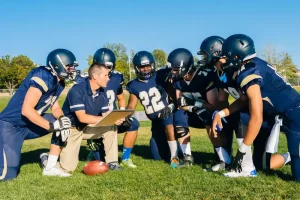

Strong teams do more than collect talented players. They combine individual ability, tactical discipline, effective leadership, and reliable squad depth. These qualities help them perform consistently against different opponents and through demanding competitive schedules. Understanding team strengths tactical edge requires looking beyond final results. A team may win because of individual brilliance, but sustainable success usually depends on a well-organized system. Coaches must understand what their players do best and create conditions that allow those qualities to influence performance. They must also recognize weaknesses before opponents exploit them. This process involves reviewing match footage, evaluating performance data, managing player development, and adapting strategies. Teams that understand their competitive advantages can make better decisions about training, recruitment, tactics, and player rotation. Their goal should not simply be to win the next match. It should be to build a structure that supports reliable performance over an entire season.
Identifying the Core Elements of a Strong Team
A strong team begins with a clear understanding of its available resources. Technical ability, physical condition, tactical awareness, and mental resilience all contribute to performance. However, these qualities become valuable only when players use them effectively within a collective structure. A technically gifted player may struggle if teammates cannot support their movement or understand their decisions. Similarly, a physically powerful squad may lose its advantage if players lack discipline or tactical organization. Coaches should evaluate the team as a connected unit rather than treating every player as an independent asset. This means identifying complementary skills, understanding role requirements, and establishing shared expectations. Communication is another essential factor. Players must exchange information quickly, especially when situations change during competition. Leadership also matters. Experienced players can help maintain standards, guide younger teammates, and keep the group focused during difficult periods. A strong team culture encourages accountability without creating unnecessary pressure. Players should understand their responsibilities and feel comfortable addressing problems constructively. The most competitive teams combine individual quality with collective trust. Their strengths reinforce one another instead of competing for attention.
Tactical Identity and the Competitive Advantage It Creates
Tactical identity describes how a team prefers to compete. It influences formations, pressing behavior, possession, defensive organization, and transitions between phases of play. A clear identity helps players understand their responsibilities and make decisions with greater confidence. Some teams prioritize possession and patient build-up. Others focus on aggressive pressing, quick transitions, or compact defensive structures. None of these approaches guarantees success. The right system depends on player characteristics, coaching philosophy, and the demands of each competition. A team with quick attackers may benefit from creating space behind an opponent’s defensive line. A squad with technically skilled midfielders may be better suited to controlling possession and creating opportunities through combinations. Coaches should build tactics around realistic strengths rather than copying successful systems without considering their own resources. Tactical flexibility is equally important. A preferred style provides consistency, but opponents will study it and attempt to disrupt its patterns. Teams need alternative approaches that preserve their identity while responding to changing circumstances.
Turning Tactical Plans Into Consistent Performance
A tactical plan becomes effective through preparation and repetition. Players need to understand not only where they should move but also why those movements matter. Training sessions should recreate situations that are likely to occur during competition. For example, a team that wants to press aggressively must practice coordinated pressure, defensive cover, and recovery movements. If one player presses without support, opponents may find space behind the first line. Clear communication helps prevent these gaps. Coaches should also define decision-making priorities. Players need to know when to maintain possession, when to move forward, and when to protect a lead. These principles reduce confusion during high-pressure moments. Match preparation should include realistic scenarios rather than relying entirely on theoretical instructions. Reviewing previous performances can reveal whether players understand their roles and execute them consistently. Small improvements in positioning and timing often produce better results than dramatic tactical changes.
Recognizing and Exploiting Tactical Mismatches
Every opponent presents a different set of challenges. One team may defend narrowly and leave space in wide areas. Another may press aggressively but struggle when opponents move the ball quickly. Identifying these patterns creates opportunities to gain an advantage. Coaches can examine defensive spacing, transition speed, pressing triggers, and weaknesses in individual matchups. They can then design specific actions to exploit those areas. For example, switching play quickly may create space against a narrow defensive structure. A team facing an aggressive press might use controlled movement and short passing combinations to escape pressure. However, tactical exploitation requires balance. Overcommitting to one weakness can expose another area of the field. Players must understand the objective behind each adjustment and recognize when the original plan should be restored.
Roster Depth: Maintaining Quality Beyond the Starting Lineup
Roster depth is one of the most important foundations of long-term competitiveness. It describes the quality and suitability of players available beyond the regular starting group. A team with strong depth can maintain performance when injuries, suspensions, fatigue, or tactical requirements change the lineup. This becomes especially important during congested schedules. Players cannot maintain maximum physical output indefinitely. Coaches need reliable alternatives who understand the system and can perform specific responsibilities. Depth does not simply mean having many players. It means having the right combination of skills and experience across important positions. A squad may have several talented attackers but lack a suitable replacement for its defensive midfielder. Such an imbalance can become a major weakness. Recruitment planning should therefore consider positional coverage, role compatibility, and future development. Teams should also evaluate whether substitutes can change the rhythm of a match. A faster forward, stronger defender, or creative midfielder may provide a different solution when the original approach is not working.
Balancing Experience With Emerging Talent
Experienced players often provide tactical understanding, emotional control, and leadership. They can help younger teammates manage difficult situations and maintain professional standards. Emerging players offer energy, ambition, and opportunities for long-term development. A balanced roster makes room for both groups. Coaches should introduce younger talent through clearly defined roles rather than expecting immediate responsibility in every situation. Regular training with senior players can help them understand the team’s tactical expectations. Gradual opportunities in competitive matches allow coaches to evaluate their readiness. At the same time, experienced players need meaningful competition for their positions. A healthy selection environment encourages improvement while preserving respect within the squad. The challenge is to develop talent without weakening short-term performance. Individual development plans, performance reviews, and appropriate playing opportunities can help achieve this balance.
Matchup Advantages and Opponent-Specific Preparation
A team’s overall quality does not automatically determine the outcome of every contest. Matchups can create advantages for teams with different styles, physical qualities, or tactical approaches. A technically strong side may struggle against an opponent that applies intense pressure. A team with quick attackers may perform well against a high defensive line but find fewer opportunities against a compact opponent. These differences make opponent-specific preparation essential. Coaches should examine how opponents defend, attack, transition, and respond to pressure. They should also consider individual matchups. A defender may struggle against an unusually quick winger, while a physically strong forward may create problems for a smaller defensive pairing. Preparation should identify where the team can create favorable situations and where additional protection is necessary. However, teams should not abandon their identity for every opponent. Constant tactical changes can create confusion and reduce familiarity. The better approach is to make targeted adjustments while preserving the principles that define the team’s style. Players should know which responsibilities are changing and which remain consistent.
Measuring Team Strengths Through Performance Indicators
Performance analysis helps coaches distinguish genuine strengths from temporary results. Wins and losses provide important information, but they do not explain every aspect of performance. A team may win despite allowing numerous dangerous chances. Another may lose while creating several high-quality opportunities. Coaches should examine indicators that reflect the team’s tactical objectives. Possession statistics can help evaluate control of the ball, but possession quality matters more than possession percentage alone. Scoring efficiency reveals how effectively chances become goals. Defensive indicators can include shots conceded, high-quality chances allowed, and successful defensive actions. Transition analysis can show how quickly a team moves between attacking and defensive phases. Player-level data also helps identify strengths that may not be obvious from general match statistics. However, numbers require context. A high pressing success rate may reflect weaker opposition rather than superior tactical execution. Performance data should be compared across similar opponents and supported by match footage. Coaches can then identify patterns, evaluate progress, and make targeted improvements. The purpose of analysis is not to collect as many statistics as possible. It is to answer practical questions about performance.
The Role of Coaching, Leadership, and Team Chemistry
Even a talented roster can underperform without effective coaching and a positive team environment. Coaches translate available resources into a practical competitive plan. They select formations, assign responsibilities, manage substitutions, and decide when tactical changes are necessary. Their communication must be clear enough for players to understand expectations. Leadership extends beyond the coaching staff. Captains and experienced players influence standards through their behavior. They can encourage teammates, address communication problems, and maintain concentration when results become difficult. Team chemistry also affects performance. Players who trust one another are more likely to coordinate movements, share responsibility, and respond constructively to mistakes. However, chemistry does not mean avoiding competition or disagreement. Professional teams need honest feedback and clear accountability. Coaches should create an environment where players can challenge ideas respectfully while remaining committed to collective objectives. Competition for starting positions must also be managed carefully. Transparent selection criteria can reduce frustration and encourage consistent effort. Strong leadership combines discipline with fairness. It helps individuals understand how their contributions support the wider team.
Turning Competitive Strengths Into Long-Term Success
Identifying strengths is only the beginning. Teams must develop systems that protect and improve those advantages over time. Recruitment should address genuine gaps rather than focus entirely on high-profile signings. Player development should prepare emerging talent for future responsibilities. Tactical reviews should identify whether existing systems remain effective against changing opponents. Recovery planning is equally important. Physical fatigue can reduce decision-making quality, increase injury risks, and weaken tactical execution. Training loads, rest periods, and rotation strategies should reflect the demands of the schedule. Teams should also avoid becoming predictable. A strong tactical identity must include alternative solutions. Coaches can introduce different pressing triggers, build-up patterns, or attacking combinations without changing the entire system. Regular performance reviews help determine whether these adjustments are working. Long-term success depends on maintaining a balance between stability and improvement. Teams that protect their strengths while addressing weaknesses are better prepared for changing competitive conditions.
Conclusion
A competitive team is built through more than individual talent. Tactical identity, roster depth, matchup preparation, coaching, and team chemistry all contribute to consistent performance. Understanding team strengths tactical edge helps organizations recognize where they hold an advantage and how to use it effectively. Coaches must connect player abilities with suitable systems, prepare for different opponents, and develop alternatives when circumstances change. Management must support these goals through thoughtful recruitment and long-term planning. Performance analysis provides the evidence needed to measure progress and identify weaknesses before they become serious problems. Ultimately, the strongest teams are not those without limitations. They are the teams that understand their capabilities, manage their resources intelligently, and adapt without losing their competitive identity.