
The difference between an amateur athlete and an elite professional is rarely determined by talent alone. Many athletes possess natural speed, strength, coordination, or technical ability. Far fewer can apply those qualities consistently against the strongest competition. Elite sports demand a combination of precision, physical preparation, tactical intelligence, mental resilience, and professional discipline. These qualities become especially important when opponents have similar abilities and small mistakes can decide an outcome. A promising athlete may perform exceptionally in local competitions but struggle when the pace, physical demands, and tactical complexity increase. Professionals must also manage pressure, injuries, travel, media attention, and demanding schedules. Understanding player professional elite traits helps explain why some athletes reach the highest level and remain there. Their success comes from developing reliable habits, responding to feedback, and continuously improving their performance. Elite status is not a permanent achievement. It is a standard athletes must work to maintain.
Technical Precision Under Competitive Pressure
Technical ability provides the foundation for athletic performance. However, elite professionals demonstrate a level of precision that remains reliable under difficult conditions. They can execute important skills while opponents apply pressure, fatigue affects movement, and decisions must be made quickly. In team sports, this may involve accurate passing, controlled movement, effective shooting, or precise defensive actions. In individual sports, it can include consistent stroke mechanics, controlled footwork, or accurate execution of complex techniques. The difference is not simply how impressive a skill looks during practice. It is how effectively the athlete can use it when the result matters. Professionals understand that technical quality must support a clear competitive purpose. A complicated action is not always better than a simple, efficient decision. Athletes should focus on skills that directly influence their performance and competitive role. Coaches can help by identifying situations where technical mistakes repeatedly occur. They can then design drills that reproduce realistic pressure, limited space, changing conditions, and decision-making demands. Regular video reviews also help athletes recognize small errors in timing, positioning, and execution.
Turning Basic Skills Into Reliable Competitive Tools
Elite technical development requires deliberate practice. Repeating an action without evaluating its quality may reinforce mistakes. Athletes should work with clear objectives and measurable standards. For example, a player improving passing accuracy can practice under different levels of pressure rather than relying only on stationary exercises. A tennis player can develop consistency by practicing against varied speeds and placements. The aim is to make effective execution automatic without removing the ability to adapt. Coaches should gradually increase the difficulty of exercises. This allows athletes to develop confidence before facing more complex situations. Feedback should also be specific. Instead of simply describing an attempt as unsuccessful, coaches can identify the timing, positioning, or technical adjustment required. Small improvements accumulated over time can create a significant competitive advantage.
Physical Conditioning and the Ability to Sustain Elite Performance
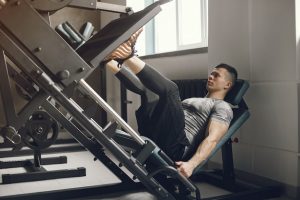
Professional athletes must maintain physical performance across demanding competitions and training schedules. Strength, speed, endurance, agility, balance, and coordination all contribute to competitive readiness. However, the physical requirements differ by sport and position. A long-distance runner needs exceptional aerobic capacity, while a sprinter requires explosive power and efficient movement mechanics. A football midfielder must combine endurance with repeated acceleration, while a professional basketball player needs speed, jumping ability, and rapid changes of direction. Elite conditioning is therefore highly specific. Athletes need training programs that reflect the actual demands of their sport. General fitness alone may not prepare them for the intensity of professional competition. Strength training can improve power and stability, while conditioning exercises help athletes sustain effort. Mobility work and movement training support efficient technique. Coaches and fitness specialists should also monitor workload. Increasing training intensity too quickly can create fatigue and raise injury risks. The objective is to develop physical capacity without compromising recovery or technical performance.
Recovery as a Performance Advantage
Recovery is an essential part of professional preparation. Training creates physical stress, but adaptation happens when the body receives enough time and resources to recover. Sleep, nutrition, hydration, and appropriate rest all support this process. Athletes should maintain consistent sleep routines and follow nutrition plans suited to their energy requirements. Medical and performance professionals can help monitor fatigue and adjust training loads. Rehabilitation should also be treated seriously. Returning to competition before completing an appropriate recovery process can create further problems. Elite athletes understand that rest is not a lack of commitment. It is part of maintaining performance over an entire season. A well-planned recovery routine can help preserve physical readiness during travel, congested schedules, and repeated competitions.
Tactical Intelligence and Faster Decision-Making
Tactical intelligence separates athletes who understand their sport from those who simply perform individual skills. Elite professionals recognize patterns, anticipate opponents, and make decisions based on changing situations. In team sports, this includes understanding space, positioning, timing, and collective responsibilities. A midfielder may need to recognize pressure before receiving the ball. A defender must judge when to challenge an opponent and when to maintain position. In individual sports, tactical intelligence may involve recognizing an opponent’s habits, changing the pace of competition, or selecting the right moment to attack. Decision-making speed is particularly important at elite levels. Athletes often have less time and space to respond. They must process information quickly without sacrificing accuracy. This ability develops through experience, preparation, and focused practice. Video analysis can help athletes understand recurring patterns and anticipate likely situations. Coaches can also use scenario-based training to improve decision-making. Instead of practicing isolated movements, athletes should experience realistic situations that require them to assess information and select appropriate responses. Tactical intelligence becomes more valuable when it supports technical execution and collective objectives.
Mental Resilience and Emotional Control in Elite Competition
Elite competition creates psychological demands that can influence physical performance. Athletes face public expectations, selection pressure, criticism, injuries, and the possibility of failure. Mental resilience helps them respond constructively to these challenges. It does not mean avoiding disappointment or pretending that pressure does not exist. It means managing difficult emotions and returning attention to the task. Professionals develop routines that help them remain focused before and during competition. These may include breathing exercises, visualization, performance goals, and consistent preparation habits. Emotional control is particularly important after mistakes. An athlete who remains frustrated may make further errors because attention shifts away from the next action. Professionals learn to recognize these reactions and reset quickly. Confidence also needs careful management. Too little confidence can create hesitation, while excessive confidence may reduce preparation and concentration. Athletes should build confidence through evidence of progress rather than relying only on positive thinking.
Building Confidence Without Becoming Complacent
Sustainable confidence comes from preparation and realistic self-evaluation. Athletes should recognize achievements while remaining aware of areas that need improvement. Setting specific performance goals can help maintain motivation. These goals should focus on controllable actions, such as improving technique, decision-making, or consistency. Reviewing mistakes without excessive self-criticism also supports development. Coaches can encourage athletes to treat setbacks as information rather than personal failures. This approach makes it easier to learn from difficult performances. Elite athletes remain ambitious, but they do not assume that previous success guarantees future results.
Professional Habits That Separate Elite Athletes From the Rest
Professional standards extend beyond competition. Elite athletes organize their routines around preparation, recovery, training, and personal responsibility. Punctuality, communication, discipline, and consistency may appear simple, but they influence daily performance. Arriving prepared allows training sessions to begin effectively. Following recovery guidance helps maintain readiness. Communicating physical problems early can prevent minor issues from becoming serious concerns. Professional behavior also includes respecting teammates, coaches, medical staff, officials, and competition rules. These habits help create trust within a team or training environment. Athletes should also understand the importance of managing distractions. Travel, sponsorship commitments, public appearances, and social media can create competing demands. Without suitable boundaries, these activities may interfere with preparation. A structured routine helps athletes protect the time and energy required for performance. Professionalism is not about appearing perfect. It is about taking responsibility for the choices that influence athletic development.
Learning Speed, Adaptability, and Continuous Skill Development
The standard of elite sport continues to change. Opponents develop new strategies, training methods improve, and technology creates additional ways to evaluate performance. Athletes who rely entirely on previous achievements risk falling behind. Adaptability helps professionals respond to these changes. They must be willing to adjust techniques, learn new tactical responsibilities, and accept constructive feedback. This can be challenging, particularly for athletes who have succeeded with the same approach for several years. However, development requires honest evaluation. Players should identify weaknesses that become visible against stronger opponents. Coaches can then create targeted improvement plans. For example, an athlete may have excellent speed but need better decision-making when opponents close space. Another may possess strong technical ability but struggle to maintain accuracy under fatigue. Addressing these specific limitations is more effective than following generic training routines. Learning speed also matters. Athletes who understand feedback and apply it quickly can adapt more effectively during changing competitive conditions. Continuous development should remain part of professional life, regardless of age or experience.
The Support Systems Behind Elite Athletic Performance
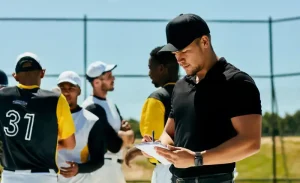
Professional performance is supported by a wider network of specialists. Coaches provide technical and tactical direction. Fitness professionals develop physical capacity. Medical teams help prevent, assess, and manage injuries. Nutrition specialists support energy requirements and recovery. Performance analysts examine data and identify patterns that may be difficult to recognize during competition. These roles are most effective when they operate together. For example, a change in training intensity should consider the athlete’s physical condition, competition schedule, and technical objectives. Poor communication between departments can create conflicting instructions or excessive workload. Athletes also need to participate actively in their support systems. They should communicate discomfort, discuss performance concerns, and understand the purpose of their training plans. Technology can improve this process through movement tracking, workload monitoring, and video analysis. However, data should support professional judgment rather than replace it. The best support systems provide useful information while keeping the athlete’s individual needs at the center of decisions.
Measuring Elite Standards Through Consistency and Impact
Elite performance cannot be measured through one impressive result. A player may produce an outstanding performance but struggle to maintain that level across a season. Professionals distinguish themselves through repeated contributions against strong opposition. Coaches and analysts should evaluate consistency, tactical influence, execution quality, and contribution to team objectives. Statistics can provide useful evidence. Depending on the sport, these may include scoring efficiency, successful defensive actions, passing accuracy, distance covered, or performance under pressure. However, figures should be interpreted in context. A player may have fewer scoring opportunities because of a defensive role. Another may produce strong statistics against weaker opponents but struggle in important competitions. Qualitative observations remain essential. Coaches should consider decision-making, positioning, communication, and adaptability. Athletes can also maintain personal performance records to identify trends. Reviewing performance over several competitions provides a clearer picture than reacting to one successful or disappointing event. Consistency is not the absence of mistakes. It is the ability to maintain valuable contributions and recover effectively when performance declines.
Conclusion
The difference between an amateur athlete and a top-tier professional comes from the ability to combine talent with reliable execution. Technical precision, physical conditioning, tactical intelligence, and mental resilience all contribute to elite performance. Professional habits and effective support systems help athletes maintain these qualities under demanding conditions. However, reaching a high level does not end the development process. Professionals must continue learning, adapting, and evaluating their performance. They need to recognize weaknesses, respond to feedback, and prepare for changing competitive demands. The most successful athletes understand that excellence is built through daily decisions as much as major achievements. Consistent preparation, intelligent recovery, and disciplined execution turn potential into lasting performance. Elite status is earned through continuous improvement and the ability to deliver when competition becomes most challenging.