
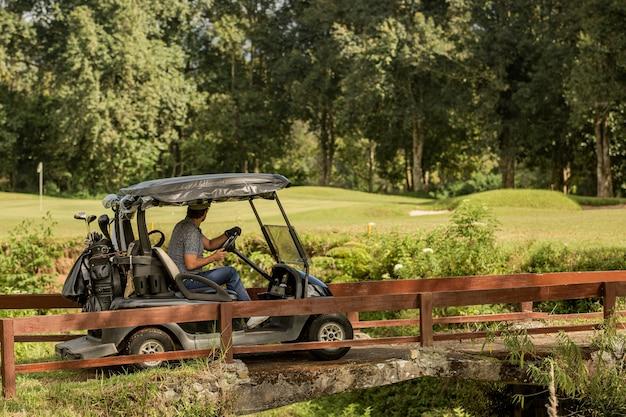
A well-designed crossing can do much more than connect two fairways. A golf course bridge helps players and maintenance vehicles move safely across streams, ponds, ravines, and roads while adding character to the landscape. Modern designers are blending strength, beauty, and sustainability to create structures that guests remember. This guide shares creative ideas to inspire your next project. Good planning helps courses improve play, safety, and appearance together.
1. Natural Material Designs
Wood, stone, and weathered steel can help a golf course bridge blend smoothly into its surroundings. Timber decking offers a warm, traditional look, while stone abutments suggest permanence and quality.
Local stone can also reduce transport costs. Choose materials that handle moisture, sunlight, and temperature changes well. Natural finishes reduce visual contrast and keep attention on the course itself. Test samples to see how colors look in daylight.
2. Curved and Arched Shapes
Straight crossings are practical, but gentle curves can make a golf course bridge feel graceful and inviting. Arches add classic charm and can improve strength. A slight bend may also guide players toward the best viewpoint or create a more interesting walk.
Designers should balance appearance with accessibility so carts, wheelchairs, and walkers can cross comfortably. Thoughtful geometry improves the visitor experience.
3. Smart Lighting and Safety Features
Evening events, early tee times, and cloudy days all benefit from good visibility. Low-glare LED lighting can make a golf course bridge safer without disturbing wildlife or neighboring homes.
Add sturdy railings, non-slip surfaces, and clear edge markings. Solar-powered lights are a practical option where electrical connections are difficult or costly. Better lighting also helps staff complete early maintenance work.
4. Eco-Friendly Construction
Sustainability is becoming a major design goal. A modern golf course bridge can use recycled steel, responsibly sourced timber, or durable composite decking. Careful placement helps protect banks, wetlands, and fish habitat.
Natural drainage features and native planting at each end can reduce erosion while improving the surrounding landscape. Responsible choices show care for the community.
5. Cart-Friendly and Low-Maintenance Features
Daily golf traffic places constant stress on any crossing. Plan each golf course bridge for the expected weight of carts and maintenance vehicles, and consult an engineer to confirm load ratings.
Corrosion-resistant fasteners, replaceable deck boards, and smooth transitions help reduce repairs. Easy inspection access also supports long-term safety. Regular inspections catch small defects before they grow.
6. Signature Features and Scenic Moments
Distinctive details can turn a crossing into a memorable landmark. Consider a golf course bridge with decorative railings, branded signage, seating nooks, or photo-friendly viewpoints.
Water features, framed fairway views, or sculptural supports can strengthen the course identity. Keep designs tasteful so function always comes first. Memorable details can also support course marketing.
Final Thoughts
The best golf course bridge combines safety, durability, beauty, and environmental care. Work with experienced designers, review local regulations, and choose materials that match your climate and budget. With thoughtful planning, a simple crossing can become a valuable part of the golfing experience for many years. Start with a clear, practical vision.