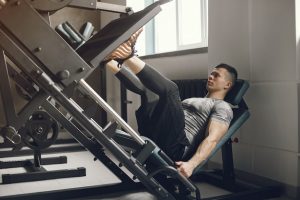

Building overall strength and endurance requires a balanced approach to physical training. Strength helps the body produce force, lift objects, and perform demanding movements. Endurance allows people to sustain physical activity without becoming exhausted too quickly. Both qualities support everyday tasks, recreational activities, and athletic performance. However, improving one does not automatically develop the other. A person who focuses only on heavy resistance training may have limited cardiovascular stamina. Someone who spends most of their time running may lack the muscular strength needed for certain physical demands. Effective exercise workout fitness strength routines address these differences through a combination of resistance training, cardiovascular conditioning, functional movements, and recovery. The goal is not to make every session exhausting. It is to create a consistent program that challenges the body while allowing it to adapt. With suitable exercises and gradual progression, beginners and experienced trainees can develop a stronger, more capable body.
Foundational Movements That Build Full-Body Strength
Full-body strength begins with fundamental movement patterns. These include squatting, hinging, pushing, pulling, carrying, and stepping. Each pattern trains muscles that work together during everyday activities. Learning these movements provides a foundation for more advanced exercises and reduces the temptation to rely on complicated routines before developing basic control.
A balanced strength session should include movements for the upper and lower body. It should also address the muscles that stabilize the trunk and support posture. Compound exercises are useful because they involve several joints and muscle groups at once. They can develop strength efficiently while improving coordination.
Exercise selection should reflect experience and available equipment. Beginners can start with bodyweight movements or resistance machines. More experienced trainees may use dumbbells, barbells, cables, or resistance bands. The important factor is choosing a variation that allows controlled movement through an appropriate range of motion.
Lower-Body Exercises for Stability and Power
Lower-body training develops the muscles responsible for walking, climbing, running, jumping, and maintaining balance. Squats are a useful foundation because they train the quadriceps, glutes, and other supporting muscles. Beginners can start with chair squats or bodyweight squats before progressing to goblet or barbell variations.
Lunges challenge each leg separately. They can help identify differences in balance and strength between the two sides. Step-ups offer another practical option. They train the legs while requiring control during the upward and downward phases. Hip-hinge movements, such as glute bridges and Romanian deadlifts, emphasize the glutes and hamstrings.
Technique should remain the priority. Knees should move in a controlled direction, the feet should remain stable, and the spine should maintain a comfortable position. Increasing resistance is useful only when movement quality remains consistent.
Upper-Body Exercises for Muscular Strength
Upper-body training should include both pushing and pulling movements. Push-ups and chest presses develop the chest, shoulders, and triceps. Overhead presses train the shoulders and require the trunk to stabilize the body. Rows and assisted pull-ups strengthen the back and supporting arm muscles.
Balancing these movements helps develop the upper body more evenly. People who perform many pressing exercises but neglect pulling movements may create an unbalanced routine. Including horizontal and vertical pulling patterns can support better overall muscular development.
Beginners can use elevated push-ups, resistance bands, or machines to adjust difficulty. As strength improves, they can move toward more demanding variations. Controlled repetitions are more valuable than rushing through a set with poor technique.
Cardiovascular Activities That Improve Endurance and Work Capacity
Cardiovascular endurance describes the ability to sustain physical activity over time. It depends on the heart, lungs, blood circulation, and working muscles. Regular aerobic exercise helps develop this capacity and can make everyday activities feel less demanding.
Walking, jogging, cycling, swimming, and rowing are practical conditioning options. The best activity is often one that a person enjoys and can perform consistently. Someone with joint discomfort may prefer swimming or cycling over running. A beginner may find brisk walking more manageable than starting with intense jogging.
Cardiovascular exercise also supports recovery between demanding efforts. Improved aerobic capacity can help people maintain activity for longer periods. However, endurance should be developed progressively. Increasing exercise duration and intensity too quickly can lead to excessive fatigue and reduce consistency.
Steady-State Training for Aerobic Development
Steady-state training involves maintaining a relatively consistent effort over an extended period. Examples include brisk walking, continuous cycling, and comfortable-paced swimming. The intensity should allow the person to sustain the activity without struggling throughout the session.
This method provides a useful foundation for beginners and experienced athletes. Beginners can start with shorter sessions and gradually increase their duration. More experienced individuals may use longer sessions to develop aerobic capacity.
The main advantage of steady-state exercise is its simplicity. It does not require complicated equipment or frequent changes in pace. It can also fit into active recovery days when performed at an easy intensity. The challenge is avoiding unnecessary increases in duration that interfere with strength training or recovery.
Interval Workouts for Higher-Intensity Conditioning
Interval training alternates periods of higher effort with easier recovery. For example, a person might cycle quickly for a short period before returning to a comfortable pace. Running intervals can use the same structure, although sprinting requires greater preparation and recovery.
Intervals challenge the cardiovascular system and help develop the ability to repeat demanding efforts. They can be useful for sports that involve short bursts of activity, such as football, basketball, and tennis.
However, high-intensity sessions should not dominate the weekly schedule. They create substantial physical stress, especially when combined with heavy resistance training. Beginners should first establish a basic aerobic foundation. More experienced trainees can add intervals according to their goals and recovery capacity.
Functional Training for Better Everyday Physical Performance
Functional training develops movement skills that transfer to everyday activities. It focuses on patterns such as lifting, carrying, reaching, stepping, rotating, and stabilizing. These movements require several muscle groups to coordinate rather than working in isolation.
Farmer’s carries are a practical example. They involve walking while holding weights at the sides. This movement challenges grip strength, posture, trunk stability, and the muscles of the upper body. Step-ups develop lower-body control, while controlled rotational movements train coordination between the trunk and hips.
Functional training does not need to involve complicated equipment. Bodyweight exercises can provide meaningful challenges. A circuit might include squats, incline push-ups, step-ups, and light carries. The exercises can be adjusted according to experience and physical ability.
The main objective is movement quality. Performing exercises quickly does not automatically make them more functional. Controlled repetitions, stable positions, and suitable resistance create a better foundation. As coordination improves, trainees can gradually introduce more challenging movements or combinations.
Building a Weekly Routine That Balances Strength and Stamina
A weekly training plan should distribute physical demands rather than placing every challenging workout on consecutive days. This helps manage fatigue and gives different muscle groups time to recover. The right schedule depends on available time, training experience, and the main fitness goal.
A beginner might start with three full-body strength sessions per week and two moderate cardiovascular sessions. Walking or gentle cycling can provide additional activity without creating excessive stress. Short mobility sessions can be included after workouts or on lighter days.
An experienced trainee may use a more specialized structure. For example, strength sessions could focus on different movement patterns, while endurance sessions include one longer aerobic workout and one interval session. The total workload should still reflect recovery capacity.
A practical weekly arrangement might include full-body resistance training on Monday, Wednesday, and Friday. Tuesday and Saturday could be used for cardiovascular exercise, while Thursday focuses on mobility or easy activity. Sunday could be a complete rest day. This is only an example. The schedule should change when work demands, sports commitments, or recovery needs require it.
Combining strength and endurance creates a programming challenge. High-volume running can affect lower-body recovery, while demanding leg workouts may reduce performance during intense cardio sessions. Separating these sessions by different days can help. If they must occur together, perform the activity that supports the primary goal first.
Mobility, Core Stability, and Movement Control
Strength and endurance are more useful when supported by good movement control. Mobility helps joints move through the ranges needed for exercise and everyday tasks. Flexibility contributes to the ability of muscles and other tissues to lengthen. Both can support comfortable movement, although they are not identical qualities.
Dynamic warm-ups prepare the body before demanding activity. They may include controlled leg swings, arm circles, walking lunges, and light movement-specific repetitions. A warm-up should gradually increase activity rather than create fatigue before the main session begins.
Core training develops the muscles that help stabilize and control the trunk. Planks challenge the ability to maintain a stable position. Dead bugs and bird dogs encourage coordination between the arms, legs, and trunk. Controlled rotations can develop rotational movement control.
Core exercises should not be selected only because they create a burning sensation. Their purpose is to improve stability and movement quality. Maintaining a neutral, comfortable spinal position and avoiding uncontrolled movement are more important than completing a high number of repetitions.
Measuring Improvement and Progressively Challenging the Body
Tracking progress helps turn exercise into a structured process. Without basic records, it can be difficult to know whether a routine is producing results. A workout log can include exercise names, resistance, sets, repetitions, session duration, and perceived effort.
Strength improvements may appear as increased resistance, additional repetitions, or better control with the same load. Endurance improvements may include walking or cycling for longer periods, completing a familiar route more comfortably, or recovering more quickly after exercise.
Progressive overload means gradually increasing the demands placed on the body. This does not always require heavier weights. A person can add a repetition, increase the duration of a cardiovascular session, improve movement range, or reduce unnecessary rest when appropriate.
The key is changing training demands carefully. Increasing resistance, volume, and intensity at the same time can make recovery difficult. Small adjustments are easier to evaluate and sustain.
Performance plateaus should also be examined strategically. If progress slows, review sleep, nutrition, technique, and weekly workload before adding more exercises. Sometimes a lighter training week can help reduce accumulated fatigue. Repeating a familiar workout with better control may also produce meaningful improvement.
Recovery and Nutrition Strategies That Support Physical Adaptation
Training creates the stimulus for improvement, but recovery allows the body to adapt. Muscles need time to repair after resistance exercise. Cardiovascular systems also respond to training stress over time. Without adequate recovery, fatigue can accumulate and performance may decline.
Sleep is a major part of this process. Consistent, sufficient sleep supports physical restoration and helps maintain energy. Nutrition should provide enough total calories to match activity levels. Protein supplies amino acids needed for muscle repair and maintenance. Carbohydrates provide energy for demanding strength and endurance sessions, while dietary fats support normal body functions.
Hydration should reflect exercise duration, intensity, and environmental conditions. People exercising in hot weather or sweating heavily may need to pay particular attention to fluid and electrolyte replacement. Drinking regularly throughout the day can help establish good habits.
Recovery also involves recognizing when to reduce training stress. Persistent soreness, unusual fatigue, declining performance, and poor motivation may indicate that the routine needs adjustment. Rest days and lighter sessions are not signs of weakness. They are important parts of a sustainable program.
Conclusion
Developing overall strength and endurance requires more than repeating the same workout each day. A balanced routine combines foundational resistance exercises, cardiovascular conditioning, functional movements, mobility, and core stability. Each element contributes to a different aspect of physical performance. The most effective exercise workout fitness strength approach begins with realistic goals and progresses gradually. Tracking results helps identify improvements, while appropriate recovery allows the body to adapt. Choose activities that suit your current abilities and build a schedule you can maintain. Consistent effort, sound technique, and thoughtful adjustments will create a stronger foundation for long-term fitness and everyday physical performance.